7 Best Local Expert Deck Builders and Renovators
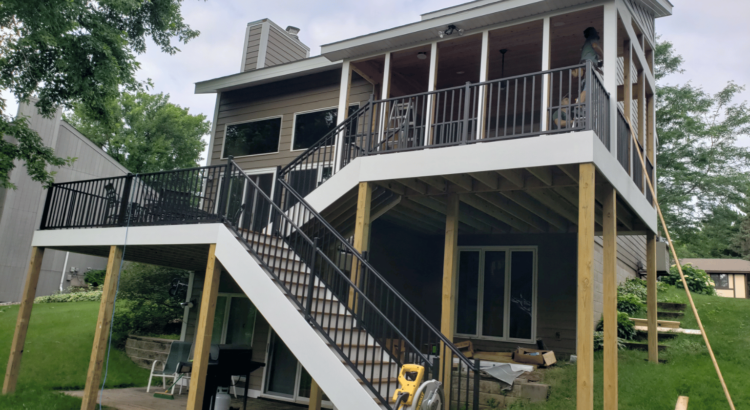
The top seven local expert deck builders and renovators blend excellence in craftsmanship, innovation, and aesthetic appeal. These experts offer over a decade of experience, mastery in various materials like composite decking, an artistic approach to design, and a commitment to sustainability. Each one brings a unique offering, whether it’s bespoke deck services or revolutionary renovation techniques. Their meticulous attention to detail ensures stunning, durable decks tailored to client needs. You’ll find value in further exploring their individual strengths, unique designs, and reputations for customer satisfaction. More details await your perusal.
Master Builders: Deck Specialist 1
With over a decade of industry experience, our first Master Builder, Deck Specialist 1, boasts an extensive portfolio of meticulously crafted, aesthetically pleasing, and structurally sound deck constructions. Emphasizing quality and precision, Specialist 1 has built a reputation for delivering tailor-made solutions that complement the unique architectural styles and personal preferences of homeowners.
Specialist 1’s expertise extends beyond traditional wooden decks. He is proficient in working with a wide variety of materials, including composite decking, which offers durability and ease of maintenance. His deep understanding of construction principles ensures that every project adheres to the highest safety standards while maximizing functionality and aesthetic appeal.
Moreover, Deck Specialist 1 is known for his consultative approach, patiently guiding clients through the design process, presenting viable options, and offering professional advice. This inclusive process fosters a sense of belonging among clients, who feel actively involved in the creation of their dream outdoor spaces.
From initial consultation to final construction, Deck Specialist 1’s commitment to craftsmanship and client satisfaction is unwavering. His work embodies the perfect blend of functionality, durability, and aesthetics, ultimately providing homeowners with a deck that enhances their living space and enriches their lifestyle.
The Deck Artisans: Deck Specialist 2
In the world of deck construction and renovation, another name that stands out is Deck Specialist 2, known for his artistic and innovative approach to deck design and building. This local expert has carved a niche for himself in the industry with his unique blend of traditional craftsmanship and contemporary design techniques. His works are a testament to his mastery of the art and science of deck building, showcasing a keen eye for detail and an unwavering commitment to quality.
Deck Specialist 2’s approach is characterized by a personalized touch. He takes the time to understand the specific needs and desires of his clients, and incorporates them into his design and construction process. This results in outdoor spaces that are not only aesthetically pleasing and functionally efficient, but also deeply personal and reflective of the individuality of the homeowner.
Moreover, Deck Specialist 2 is known for his use of sustainable materials and environmentally-friendly practices. This commitment to sustainability, coupled with his artistic flair and technical prowess, makes him a go-to expert in the local deck construction and renovation scene. If you’re looking to create a deck that’s a perfect blend of form and function, Deck Specialist 2 is the person to call.
Innovation in Renovation: Deck Specialist 3
Deck Specialist 3, a pioneer in the field of deck renovation, is renowned for introducing innovative techniques and cutting-edge design concepts that revolutionize the way decks are built and renovated. With a focus on sustainability, this forward-thinking company utilizes eco-friendly materials and energy-efficient tools to create and transform outdoor spaces, ensuring a perfect blend of aesthetics and functionality.
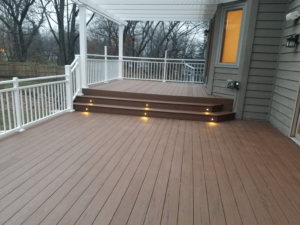
Their unique approach involves incorporating modern elements into classic designs, resulting in decks that are not only visually appealing but also highly durable and low-maintenance. They are particularly known for their use of composite materials, which mimic the natural look of wood but offer superior resistance to weather conditions and wear and tear.
Deck Specialist 3 is also committed to customer satisfaction, offering personalized service that caters to individual preferences and needs. Their team of experienced professionals work closely with clients, understanding their vision and transforming it into reality. This personalized approach, combined with their innovative techniques, sets them apart in the deck renovation industry.
Devoted to quality and innovation, Deck Specialist 3 ensures that their clients have access to the latest trends in deck design and renovation, providing a space that truly feels like home.
Dream Deck Creators: Deck Specialist 4
Deck Specialist 4 excels in providing bespoke and personalized services, tailored to create your dream deck. Their unique approach to design integrates both aesthetics and functionality, ensuring a visually stunning and practical outdoor addition to your home. Coupled with their commitment to affordability and value, Deck Specialist 4 is a leading choice for those seeking quality deck renovations and creations.
Deck Specialist 4 Services
Embodying a perfect blend of creativity and craftsmanship, Dream Deck Creators: Deck Specialist 4 offers a comprehensive range of services to transform your outdoor living spaces. They specialize in custom deck building, deck renovation, and maintenance services. Their team of skilled professionals are versed in working with a variety of materials, including traditional wood, composite materials, and eco-friendly options, ensuring a solution to suit every homeowner’s needs and preferences. They also offer a full suite of repair services, from board replacements to structural assessments. Deck Specialist 4’s commitment to quality, customer satisfaction, and meticulous attention to detail sets them apart, making them a premier choice for deck-related projects in the local community.
Unique Design Approaches
In addition to their comprehensive range of services, Dream Deck Creators: Deck Specialist 4 further distinguishes themselves with their unique design approaches, skillfully merging aesthetics with functionality to create stunning deck spaces. Their unique design approaches encompass three primary areas: Creative Design, Material Selection, and Customization.
| Creative Design | Material Selection | Customization |
|---|---|---|
| Innovative layouts | High-quality materials | Tailored to client’s needs |
| Blend with home’s architecture | Range of options | Unique features |
| Exciting color schemes | Durability & longevity | Personal touches |
| Space optimization | Eco-friendly options | Special fittings & fixtures |
| Attention to detail | Aesthetics & functionality | Client-centric approach |
Dream Deck Creators: Deck Specialist 4’s design philosophy is evident in their work, promising a deck that is not only visually appealing but also highly functional. Their unique design approaches ensure that each deck constructed is a reflection of the client’s style and requirements.
Affordability and Value
Beyond their innovative design approaches, Dream Deck Creators: Deck Specialist 4 also prides itself on offering exceptional affordability and value to their clients. Understanding the financial commitment involved in home improvement projects, they have structured their pricing in a way that maximizes value without compromising on the quality of their work. By sourcing high-quality, cost-effective materials and employing efficient construction methods, they ensure that every dollar spent is reflected in the finished product. Their commitment to affordability is further demonstrated in their flexible payment options and competitive pricing. This value-driven approach, combined with their exceptional craftmanship, cements Dream Deck Creators: Deck Specialist 4’s position as a leading choice for those seeking to create their dream outdoor space.
Expert Craftsmanship: Deck Specialist 5
Deck Specialist 5, renowned for their exceptional expertise, delivers an unrivaled level of craftsmanship in deck building and renovation. They are a skilled team of professionals who take pride in every project they undertake, making them an ideal choice for homeowners seeking high-quality, long-lasting deck constructions.
They are not just builders; they are artisans who painstakingly ensure every detail of your deck is executed to perfection. This precision and commitment to quality is what sets Deck Specialist 5 apart and makes them a trusted name in the community.
Their craftsmanship is particularly evident in the materials they use, the techniques they employ, and their meticulous attention to detail. The following table provides a snapshot of their craftsmanship in these three areas:
| Aspect | Approach | Outcome |
|---|---|---|
| Materials | Uses only the highest quality lumber | Ensures durability and longevity |
| Techniques | Employs cutting-edge building methods | Guarantees strong and stable decks |
| Detail | Pays careful attention to every element | Provides a flawless finish |
Join the community of satisfied homeowners who have experienced the excellent craft of Deck Specialist 5. Their mastery in deck building and renovation will surely transform your outdoor space into an enviable retreat.
Deck Perfectionists: Deck Specialist 6
With a reputation for perfectionism, Deck Specialist 6 sets new standards in the realm of deck construction and renovation, consistently delivering projects that are both visually stunning and structurally sound. This company has shown an unwavering commitment to quality and excellence, making them a preferred choice among homeowners seeking to create or improve outdoor spaces that truly reflect their lifestyle and aesthetic preferences.
Deck Specialist 6’s success can be attributed to their meticulous attention to detail. Every board is carefully selected, every joint expertly constructed, and every finish flawlessly applied. Their highly skilled team of tradesmen uses only the highest quality materials and latest techniques, ensuring that each deck they build is durable, functional, and beautiful.
The company’s customer-focused approach is another key aspect of their success. They understand that a deck is more than just a structure; it is an extension of the home, a place where memories are created. They work closely with clients, listening to their needs and ideas, and translating them into reality.
Deck Specialist 6 is not just a service provider, but a partner in creating spaces of beauty and function. Their commitment to perfection, combined with their deep understanding of their clients’ desires, places them among the best in the business.
Revolutionary Deck Renovators: Deck Specialist 7
Pioneering the field of deck renovation, Deck Specialist 7 brings an innovative approach to transforming aged and worn outdoor spaces into functional and aesthetically pleasing environments. Their team of skilled professionals utilizes cutting-edge techniques and high-quality materials to breathe new life into deteriorating decks, ensuring longevity and sustainability.
They’re not just renovators; they are visionary architects in the realm of outdoor living spaces. Their attention to detail is evident in their work, from the selection of the finest quality wood, to the meticulous installation process, and the finishing touches that make each deck unique. Their proficiency extends to understanding the natural characteristics of each wood type, ensuring an optimal match for your specific environment and aesthetic preferences.
Deck Specialist 7 is a community of passionate craftsmen dedicated to exceeding the expectations of homeowners. They foster a sense of belonging with clients by involving them in the renovation process, creating a shared vision that reflects the homeowner’s personal style and needs. Their commitment to customer satisfaction, coupled with their revolutionary approach, makes them a standout in the field of deck renovation. Their work is a testament to the art of transformation, as they turn worn decks into stunning outdoor retreats.